Chénas
The rarest of the ten crus, Chénas takes its name from the oak forests (chênes) that once covered these hills before Louis XIII ordered them cleared for vines. What remains is a pocket of granite producing floral, silky wines with a woody, spicy edge.
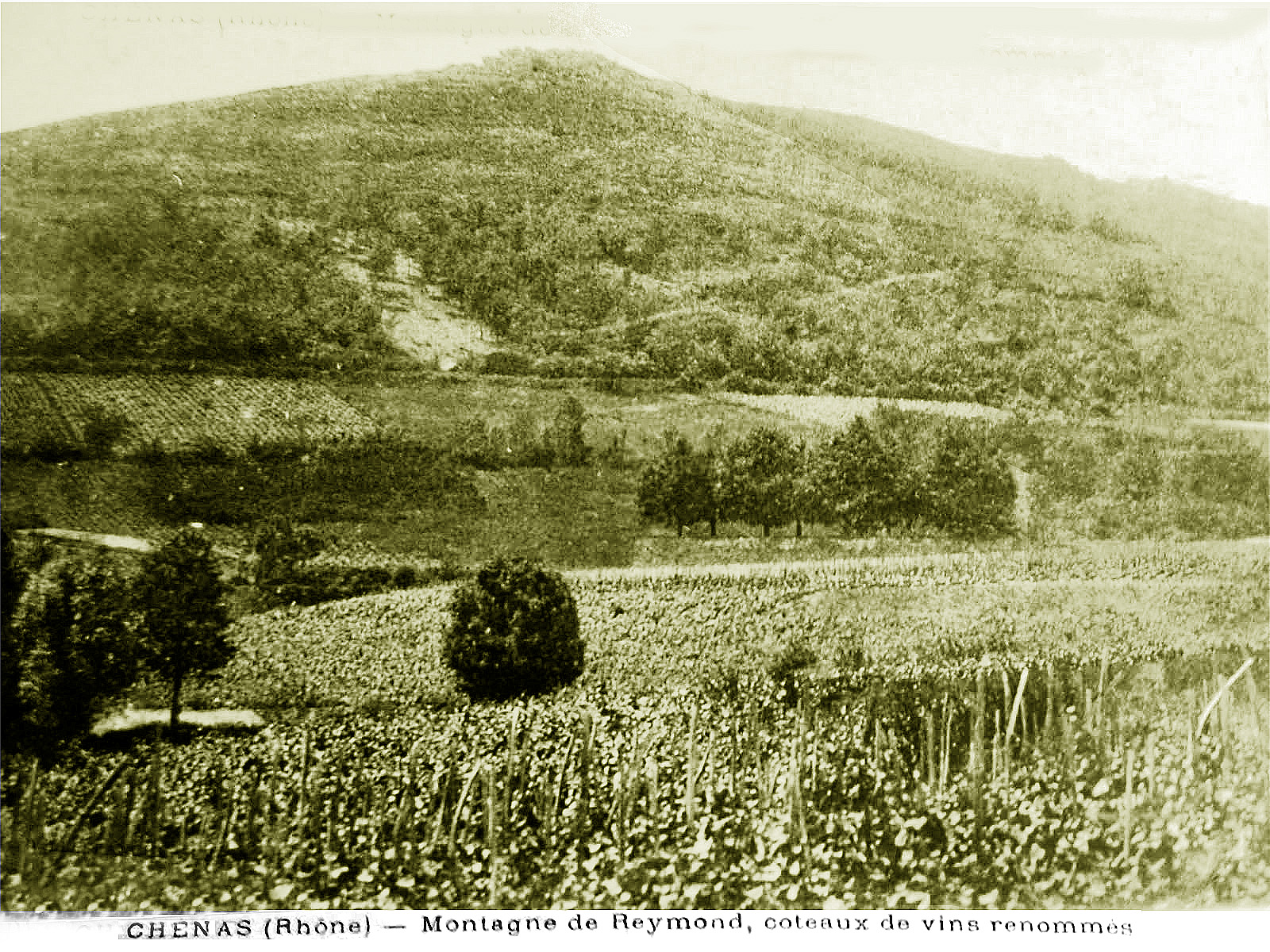
A bouquet of flowers in a basket of velvet
That is how Louis XIII's court is said to have described Chénas, and the phrase has stuck. The wines open on peony and rose, then settle into red fruit and a gentle, oaky spice that comes from the soil rather than the barrel. They are generous young and gain depth over three to eight years.
Squeezed between giants
Chénas is wedged between Juliénas to the north and Moulin-à-Vent to the south; in fact much of the commune of Chénas is entitled to the Moulin-à-Vent name, which is why so little wine carries the Chénas label. Barely 250 hectares remain under the appellation, and a good share of that is sold by the village cooperative.
Visiting Chénas
The Château de Chénas houses the cooperative cellar and opens for tastings most days; the terrace looks straight across to the Moulin-à-Vent windmill. Come in late September, when the harvest is in and the village hosts its Gamay festival.